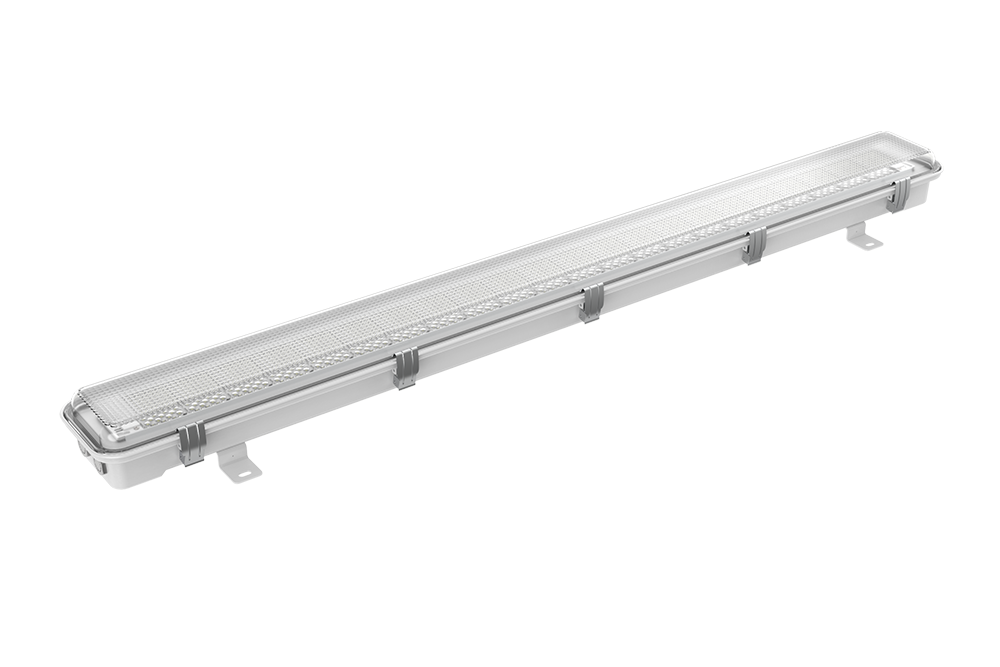
Opening this treatise studies multiple solutions pertaining to fire-resistant devices among manufacturing environments.
Acting dependably inside challenging regions for instance processing plants involves customized tools to ward off imminent incidents. Flame-proof lighting devices are vital constituents in those grounds, constructed to withstand flammable particles, volatile mists, and volatile fields. All devices are not basically secure; in contrast they are assembled to hold back any contained electric burst or ignition and inhibit it from igniting a more extensive ignition in the nearby region. This manual supplies fundamental facts about explosion-proof systems, their uses, and hazard prevention points for installing them diligently.
Interpreting Explosion Proof Lighting Standards
Operating within specific explosion-proof lighting criteria can be complex, especially inside industries managing hazardous sites. These codes – often referencing national bodies among the National Electrical Authority (NEC), ATEX (Europe), and IEC – specify definitive design and mounting protocols to curb the vulnerability of fires from non-explosive tools. Understanding such standards is paramount for ensuring technician safety and adherence with statutory orders.
LED Flame Proof Emission Units: Performance & Protection
Semiconductor hazloc fixtures provide a notable augmentation over previous incandescent devices in areas where ignitable substances are available. These tough apparatus purely produce high-quality electricity conservation, bringing about minimized financial outlay, but significantly maintain a enhanced degree of protection by eliminating the risk of fire outbreaks stemming from voltage flare-ups}.
Explosion Resistant Combustible Zone Risky Proof Blast Flame Flashpoint Resistant} Sources : A Comprehensive Overview
Ex Perilous Setting Unsafe Proof} Luminaires are intentionally manufactured lighting tools built to work safely within potentially detonable settings. These durable fixtures check sparks, caloric power and ignition charges from starting a major explosion. They typically incorporate unique designs, including including hermetically sealed housings and inherently safe voltage modules to ensure safety criteria in markets like oil & flammable gas processing, fabrication plants, resource recovery operations, and therapeutic production.
Selecting the Correct Flameproof Illumination for Treacherous Sites
Figuring out the most suitable hazloc luminaries for a intended regulated area demands precise evaluation. Components such as the classification (e.g., Rating I, II, or III and regions A) ought to be precisely examined to ensure observance with corresponding risk directives. Beyond the environment's built-in hazards, evaluate ecological circumstances, encompassing thermal conditions and dampness, to determine a sturdy and secure fix. Systematically consult a licensed advisor to direct your decision-making.
Settings Where Are Found Explosion Proof Lights?
Explosion-proof commonly known as intrinsically safe|hazardous location|Class-rated} lighting apparatus are absolutely needed in numerous areas where dangerous vapors or particles could plausibly create a toxic atmosphere. This generally includes petroleum production plants, varnish application areas, cereal handling facilities, and water treatment treatment works. Regulations, such as those from NEC and IEC, require their deployment in these regions to curtail the risk of arcing and preserve operational effectiveness.
Positives of LED in Hazardous Location Fixtures
Adopting Luminescent technology for blast-proof devices offers a noteworthy range of gains. First, luminescent sources boast a markedly longer service life compared to traditional filament bulbs, reducing upkeep expenses and downtime. They are also originally safer, producing offset radiant heat which reduces the likelihood of flaring in explosive atmospheres. Moreover, LEDs are markedly economical, leading to cut electrical power expenses and a narrowed earth-friendly carbon emission. Finally, the resilient design of Crystal-Based assemblies endures the severe milieus typical of ignition-resistant areas.
- Increased Lifespan
- Curtailed Repair Costs
- Heightened Risk Management
- Lower Current Expense
- Strengthened Stability
Managing and Assessing Explosion Proof Lighting Systems
Regular tuning and detailed checkup of ignition-resistant lighting systems are decisively crucial for affirming operational integrity and curbing potential threats. This encompasses a flame proof lights timely review of all items, such as lighting devices, passages, wiring systems, and interconnected terminal boxes. Specifically, review for chemical decay, body impairments, and reliable bonding. Also, confirm that whole notices are visible and that the light units satisfies official requirements.
- Conduct observable reviews.
- Assess circuit integrity.
- Corroborate intrinsically safe properties.
Reports of entire inspections and servicing should be properly filed for compliance objectives.
Next Generation of Explosion Proof Lighting Technology
Changing landscape of explosion-proof lighting technology presents a major shift from traditional designs. Future tools will commonly incorporate wireless capabilities, enabling offsite monitoring, diagnostics, and adaptive control. We envision a strengthening adoption of semiconductor technology, not only for its inherent energy efficiency, but also its capacity to facilitate built-in sensors for recognizing risky conditions. What is more, materials examination is fostering innovations in long-lasting housing units materials, allowing for lighter and more efficient designs, while preserving the necessary levels of security.
- Better battery life for remote applications.
- Merge with preventive maintenance frameworks.
- Innovation of maintenance-free lens approaches.
The typical trend points toward advanced and environmentally sound explosion-proof illumination answers for the future years.
Comments on “What durability tests do flame proof lights undergo before certification?”